
Home ·Craft
The hands behind it
Craft
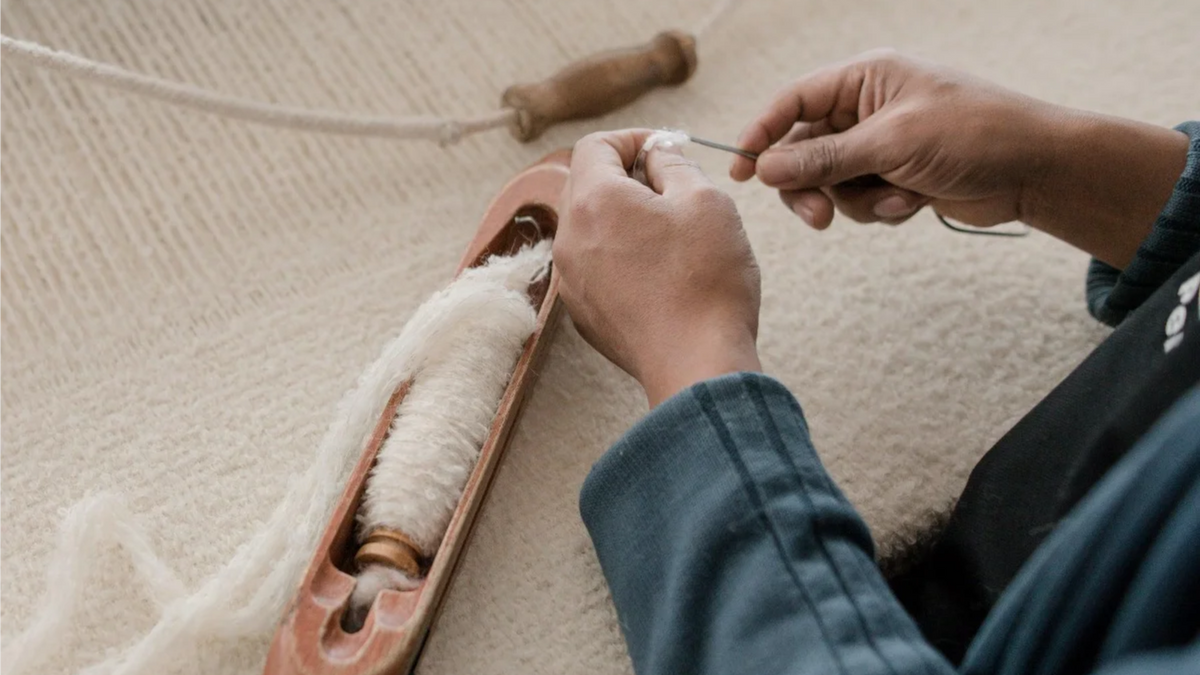
Every LS Alpaca shawl is made by one weaver, on a loom she tensions with her own body, over the better part of a week. This is who she is and what she does.
The making
Six stages, and no machine at the finish
From the animal to the fringe: six stages, and one year of growth before any of them begin.
01
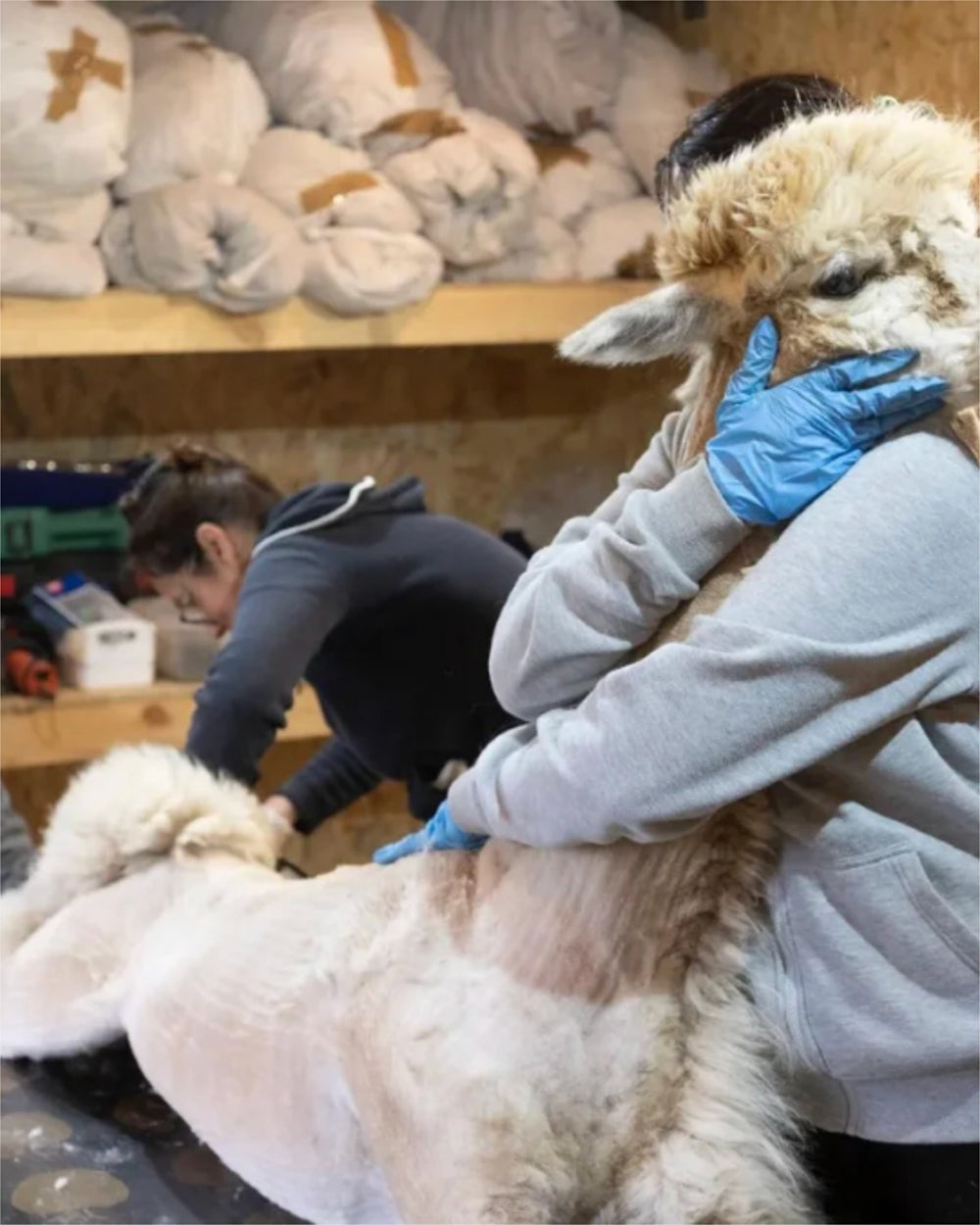
Shorn once a year
Hand shears, once in the warm season.
02
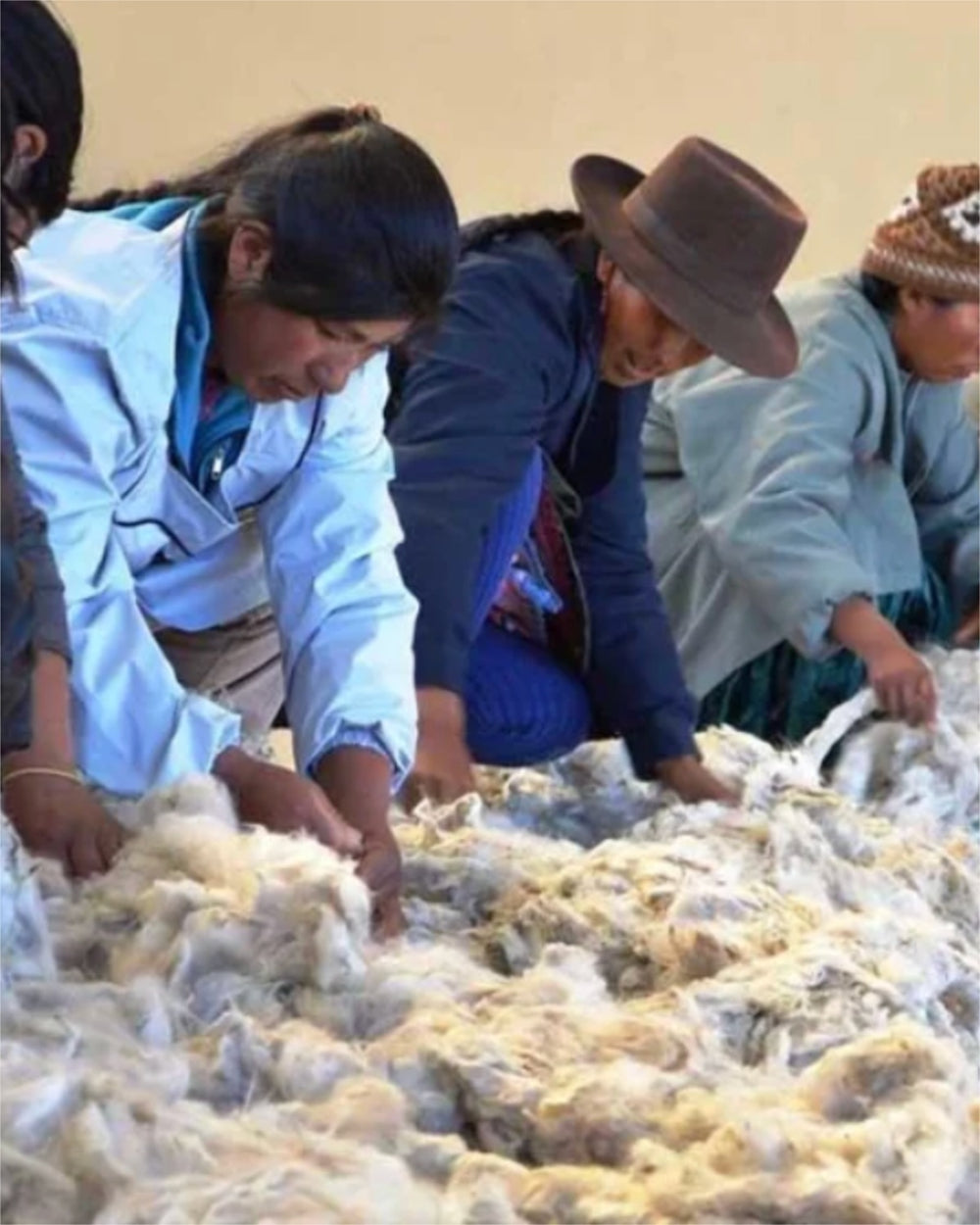
Graded by eye and hand
Sorted by touch, to within three microns.
03
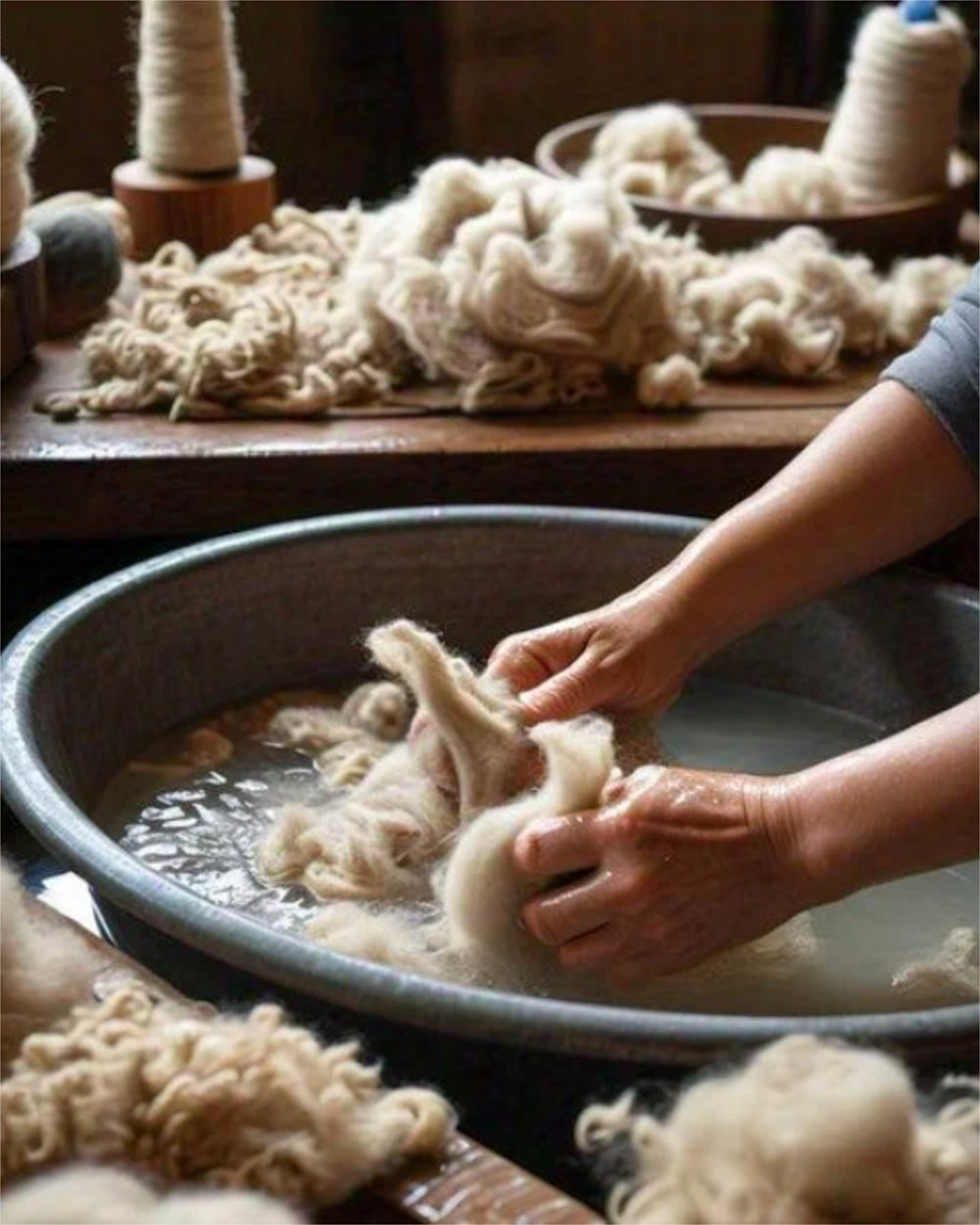
Washed, barely
No lanolin, so almost no scouring.
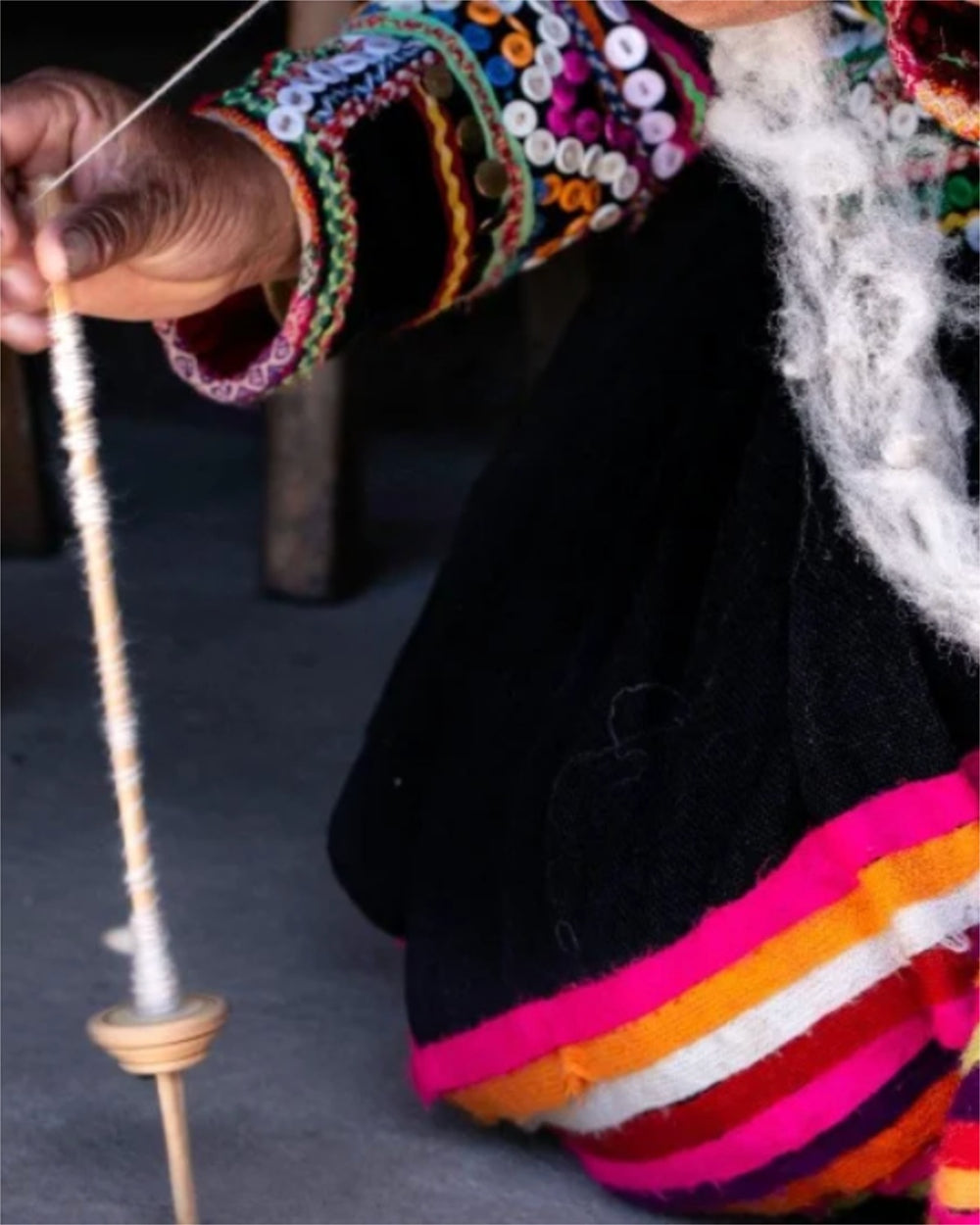
04
Spun to hold, not to bind
Enough twist to hold, not to stiffen.
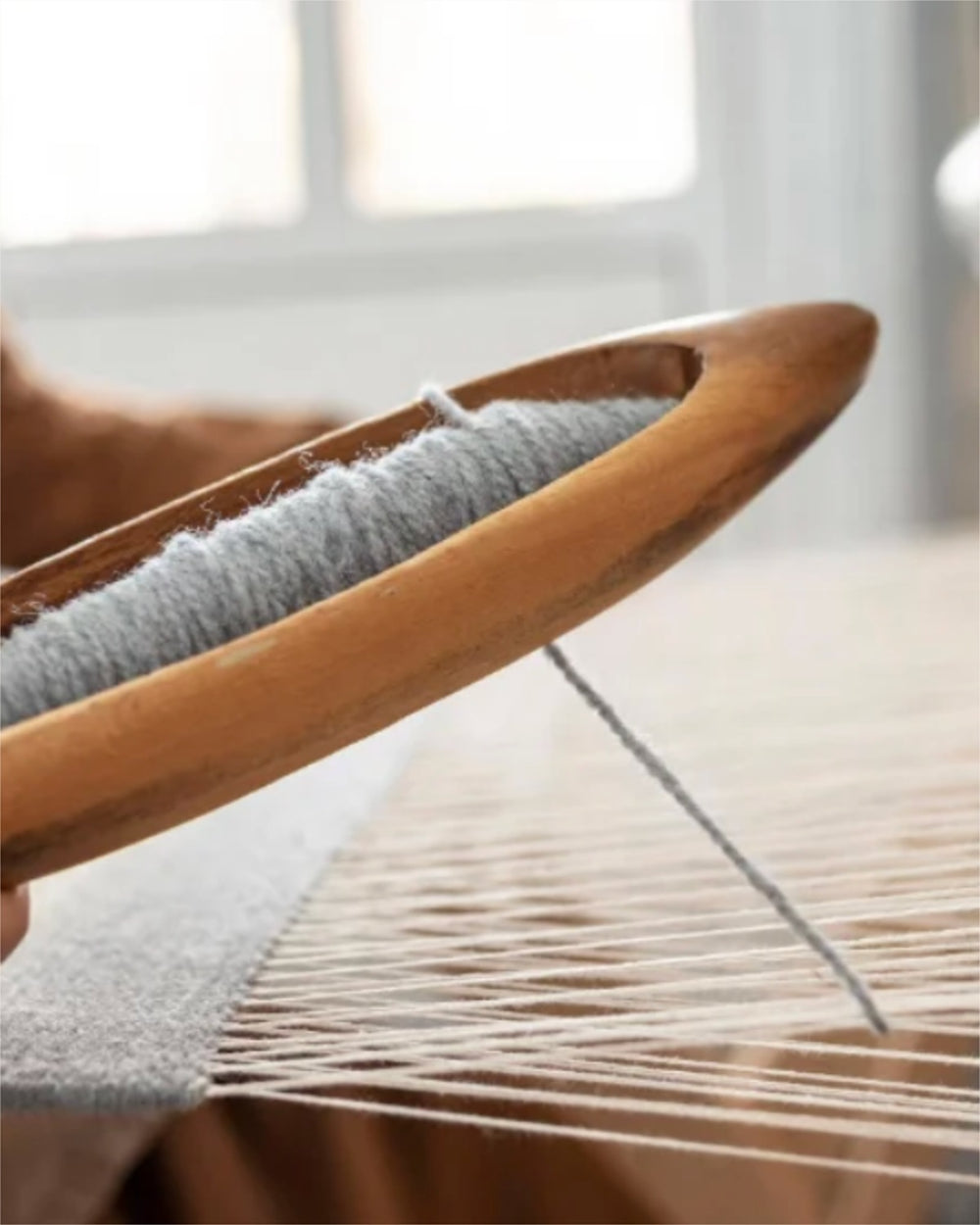
05
Woven on the awana
A week on the backstrap loom.
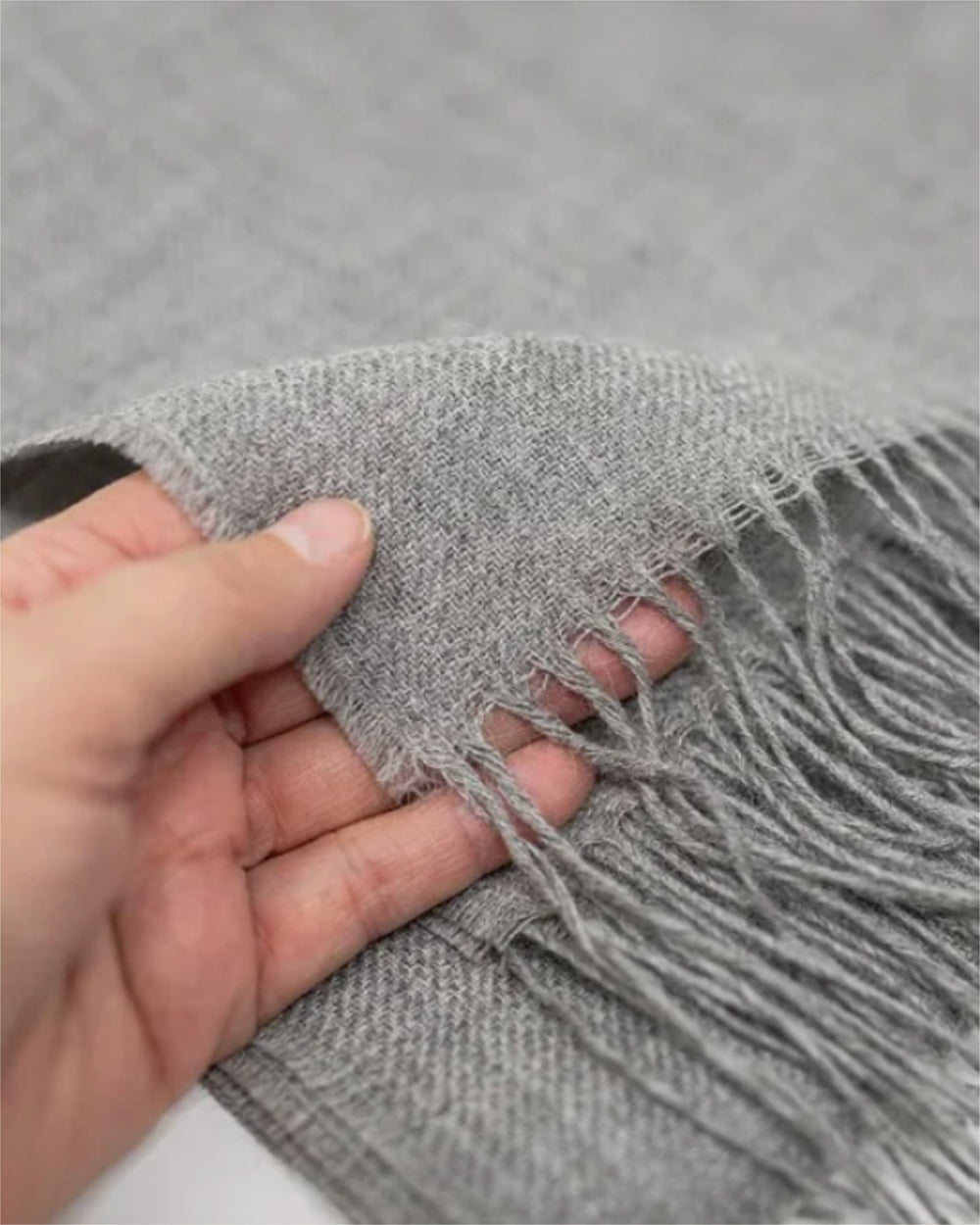
06
Fringe twisted strand by strand
Cut, pressed, twisted by hand.
40
Hours at the loom
From dressing the warp to the last knot of fringe, for a single shawl.
1
Weaver per shawl
One pair of hands from first thread to last. No piece passes down a line.
3–5 cm
Woven per hour
The web grows slowly. Two metres of cloth is most of a working week.
Small
Batches, not seasons
The workshop makes what it can make without changing how it works. When a shade is gone, it is on the loom.

Forty hours of one woman's work, and a fringe knotted one strand at a time.