
Home ·The Fiber
100% Baby Alpaca
The Fiber
Everything behind the world’s finest natural fiber — from the Andes to the finished shawl.
What the name means
Baby Alpaca is a grade, not an age
Contrary to its name, Baby Alpaca does not come from young animals. It refers to the finest and softest grade of alpaca fiber, selected from the first shearing and carefully sorted by hand. Only part of each fleece makes the grade, and an animal gives one fleece a year.
Baby alpaca measures 18 to 22 microns, the grade at which a fiber stops being felt against the skin. What sets it apart is the strand itself: each strand is semi-hollow, so it insulates by trapping air rather than by weight. A shawl that weighs almost nothing holds warmth through an evening outdoors.
The surface is smoother than sheep's wool and carries no lanolin, which is why it sits against the neck without prickle and is tolerated by most people who cannot wear wool at all. It takes light like silk, holds a drape instead of springing back, and holds its surface well with ordinary care.
18–22
Microns
The grade of the first shearing. Standard alpaca runs coarser; anything above 25 is never used here.
Human hair averages 60–80 microns.
Semi-hollow
Fiber structure
Air pockets inside each strand regulate temperature, so the cloth is warm without bulk and breathes indoors.
Lanolin-free
Against the skin
The absence of wool grease is why it does not itch, and why it suits most people who react to wool.
22 shades
Grown, not dyed
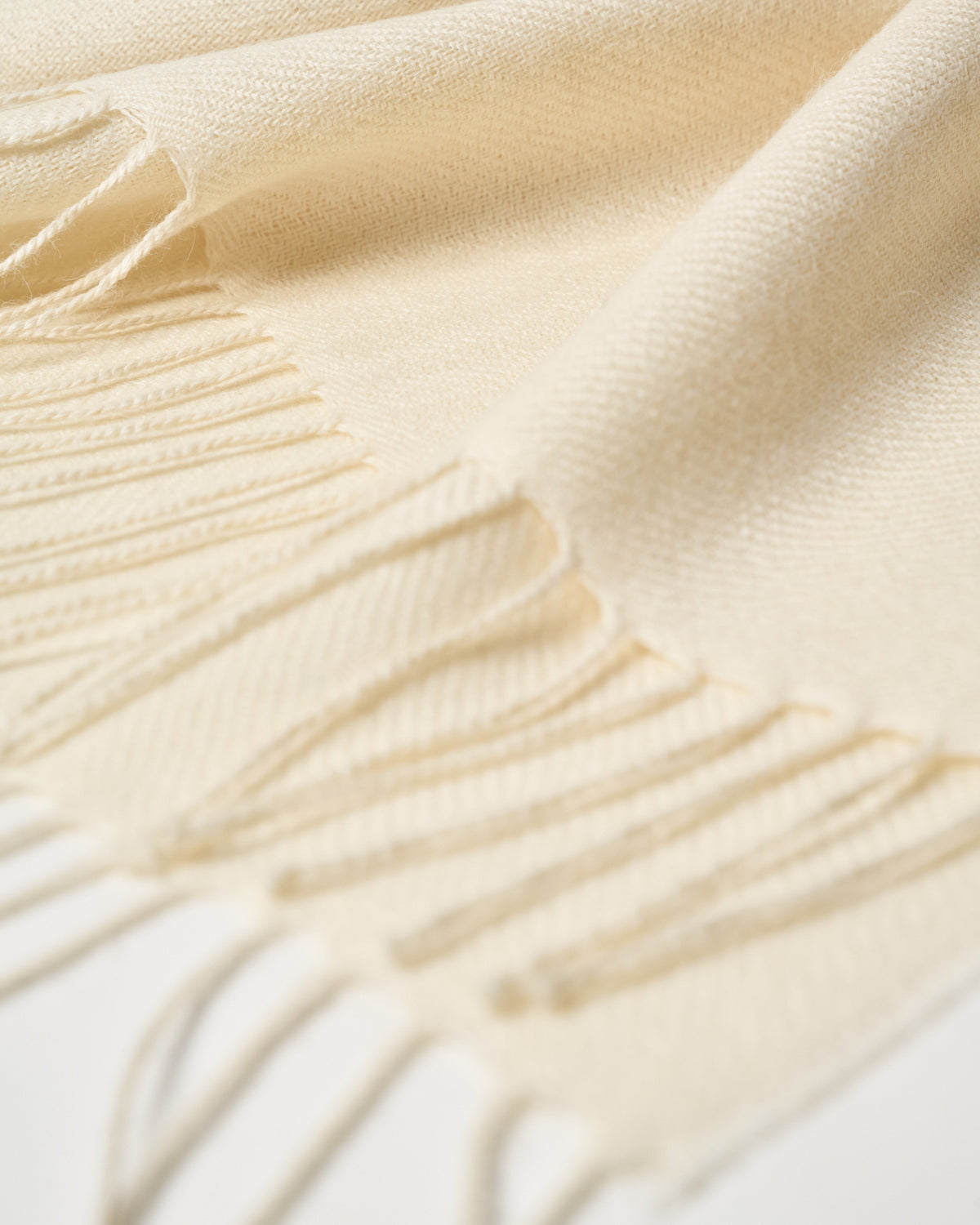
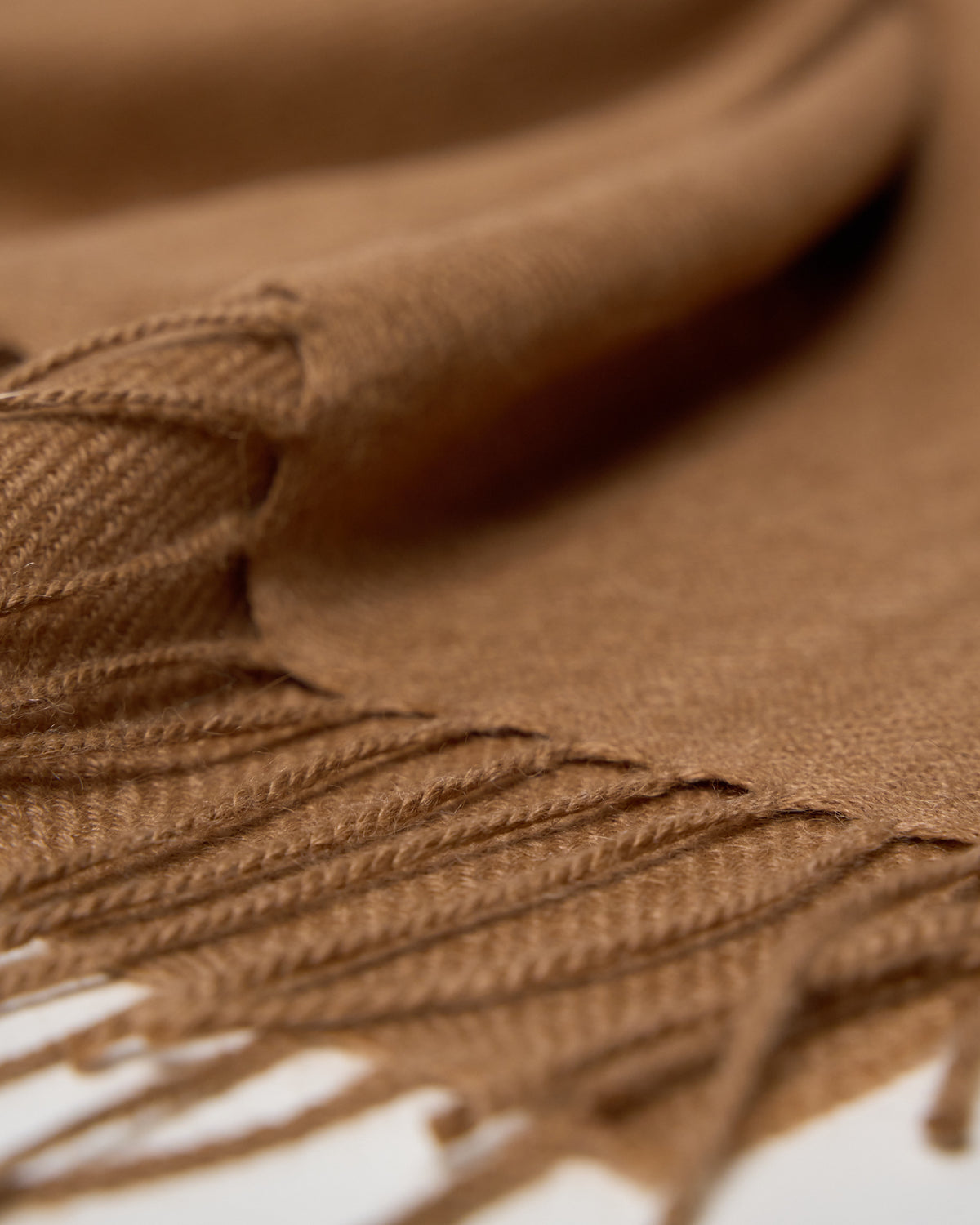
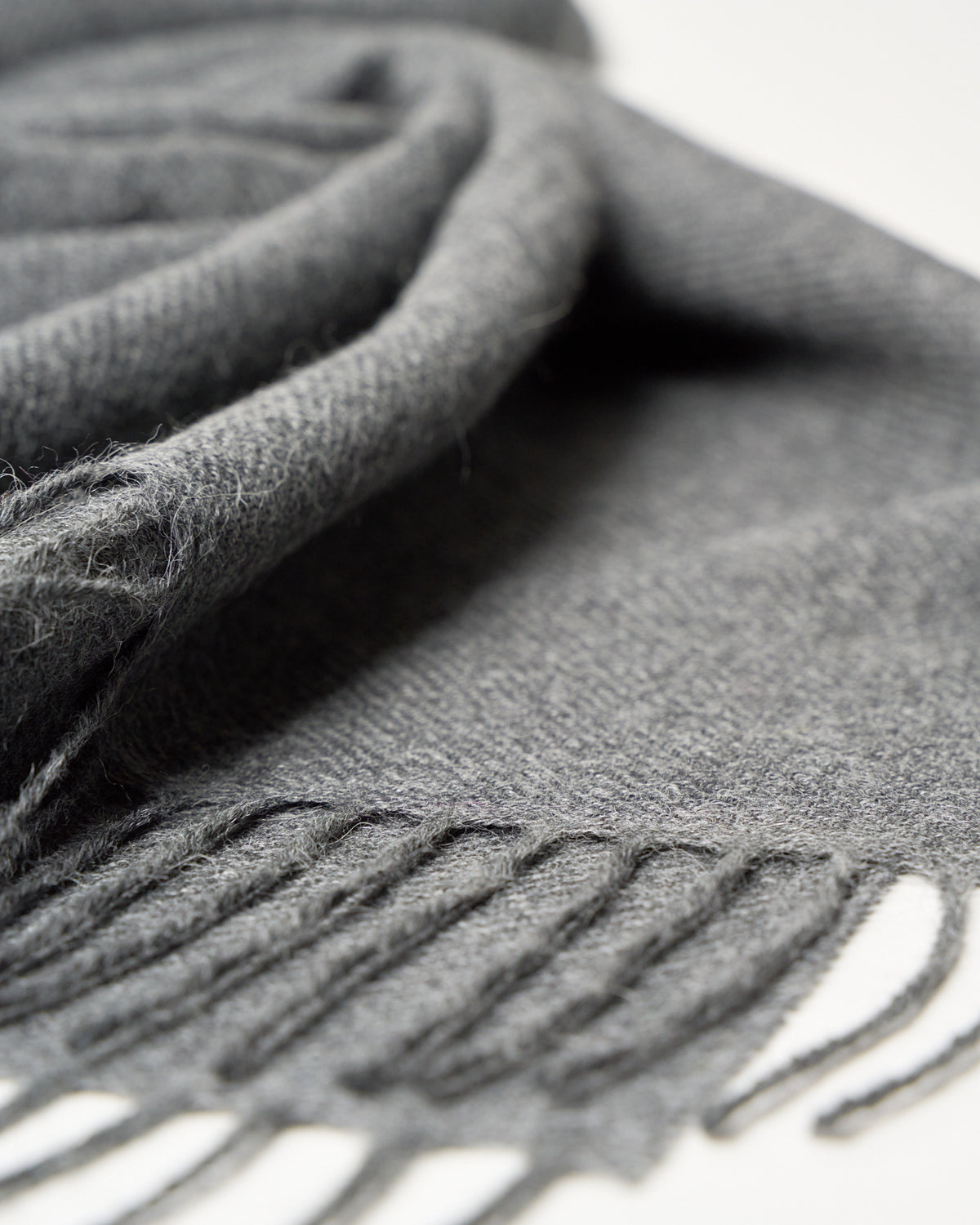
Alpaca fleece occurs naturally in a remarkable range of shades, from ivory and warm fawn to grey and black. Our four colors are drawn from this natural palette.
The colours the animal grows
The colours are grown, not made
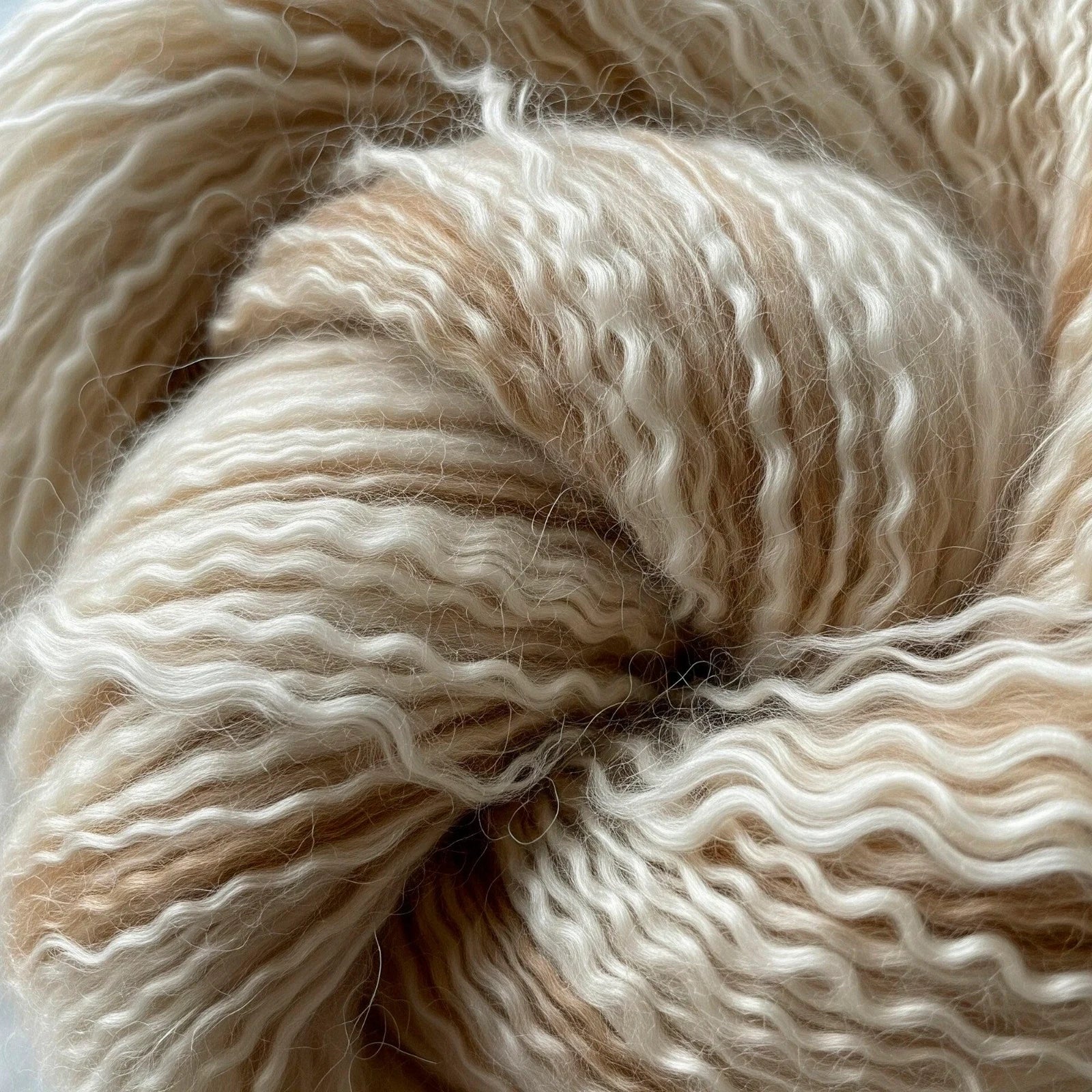
Alpaca grows in more natural colours than any other fiber animal. We dye none of them: dye costs the fiber heat and chemistry, and a little of its lustre each time. Untouched, the strand keeps the shine and softness it grew with — and the four shades sit together as they do on the animal.
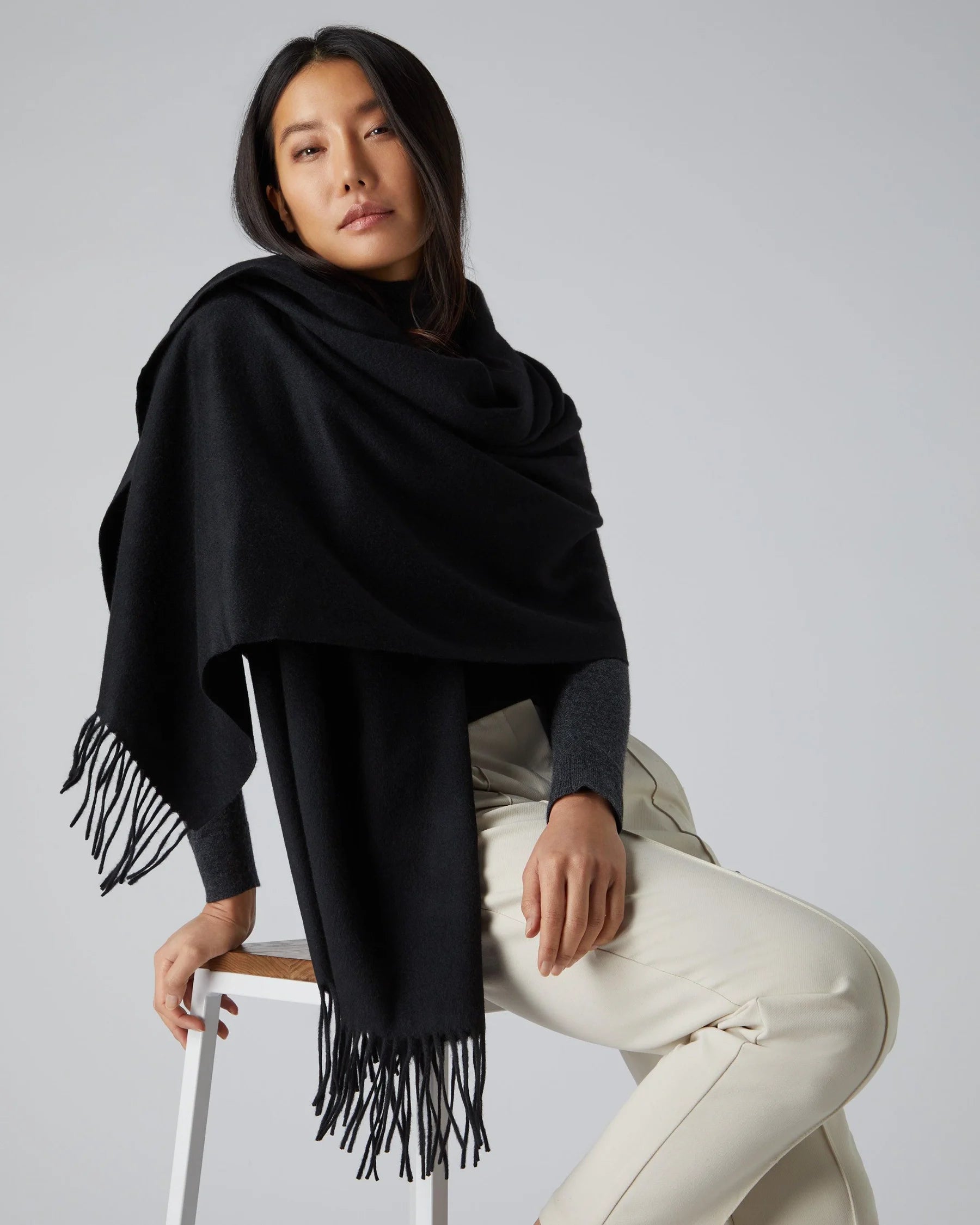
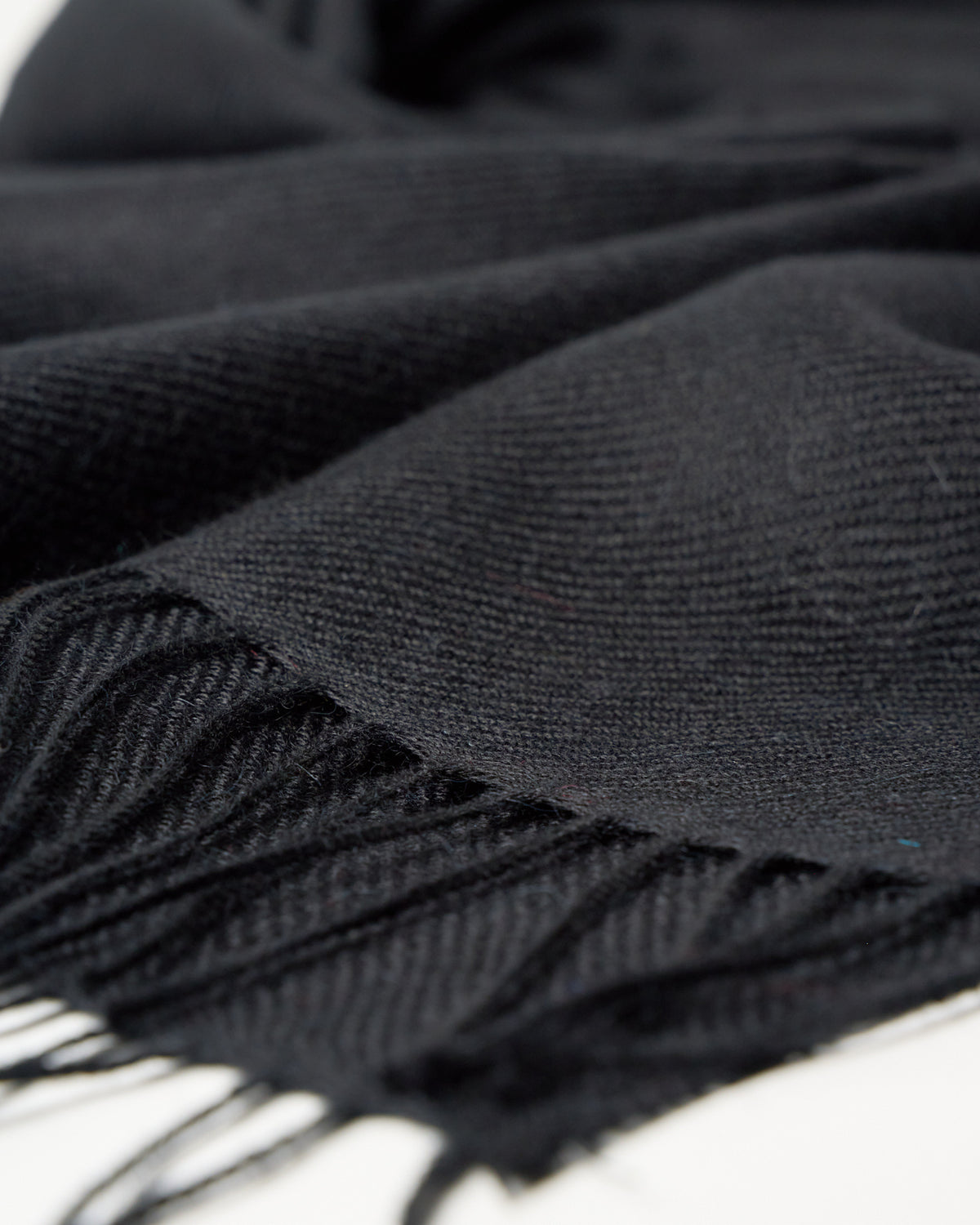
Onyx is the clip the mills like least. A dark fleece takes no other colour, so it is graded down and blended away. We take it as it comes off the animal.
Nothing about it is lesser — the same fiber at the same micron, in a black no dye bath reaches. It refuses to be turned into something it is not, which seemed the better reason to keep it.
Alongside other fibers
How it compares
Typical ranges for each fiber at its finer grades. Every cloth differs with its grade, spin and finish.
Baby Alpaca
Cashmere
Merino wool
Micron figures are industry-standard ranges for the finer grades of each fiber
A quieter reputation
Rarer than cashmere, and far less spoken of
The fiber is not obscure because it is lesser. It is obscure because nobody spent forty years telling the world about it.
Cashmere had a long campaign behind it — decades of houses, advertising and shop windows teaching people what to want and what to pay. Alpaca had none of that. Peru has exported the fiber for a century and the finished cloth for decades, but it built very few names of its own, so the value settled abroad and the fiber stayed anonymous.
Supply keeps it small. An alpaca is shorn once a year, and only part of each fleece is fine enough to be called baby alpaca. There is no way to make more of it in a hurry, which is why it will never be a volume material.
The name has also been spent carelessly. Blends of a few percent, and souvenir knitwear sold at the airport, all carry the word alpaca, and most people have met the fiber in that form rather than this one. Set beside a shawl at 18 microns, they are not the same cloth at all.
Which leaves the fiber to make its own case. One shape, four undyed shades, a hundred percent baby alpaca, woven in Peru by the people who have always woven it — soft and warm at a weight you forget you are wearing, and kind to skin that cannot take wool. Sold in small numbers, because that is all a single shearing allows.
On the shoulder
What any of it means when you wear it
Warmth without weight
A shawl of 70 × 200 cm weighs almost nothing on the shoulder, yet holds heat through an evening outdoors. That is the semi-hollow fiber at work, not thickness.
It sits against the neck
Without lanolin there is nothing to prickle or provoke, so it can be worn over bare skin, and by most people who cannot wear wool at all.
It drapes instead of springing back
Alpaca has little crimp, so the cloth falls in long folds and stays where you place it — the reason a shawl reads as tailoring rather than a blanket.
It keeps its colour
The colour is the animal’s own, so there is no added pigment to fade. What ages is only the handle, which softens.
Crafted to be worn for years, not seasons.